Our Lady of Africa
Our Lady of Africa is Ceuta’s patron saint; her 5 August feast is an official public holiday in the autonomous city.
What it means
The day honours Santa María de África, patron and Perpetual Mayoress of Ceuta. For Catholics it is a Marian feast of protection and identity; for the city it is also a civic celebration that gathers residents around procession, music, and shared memory.
Origin and history
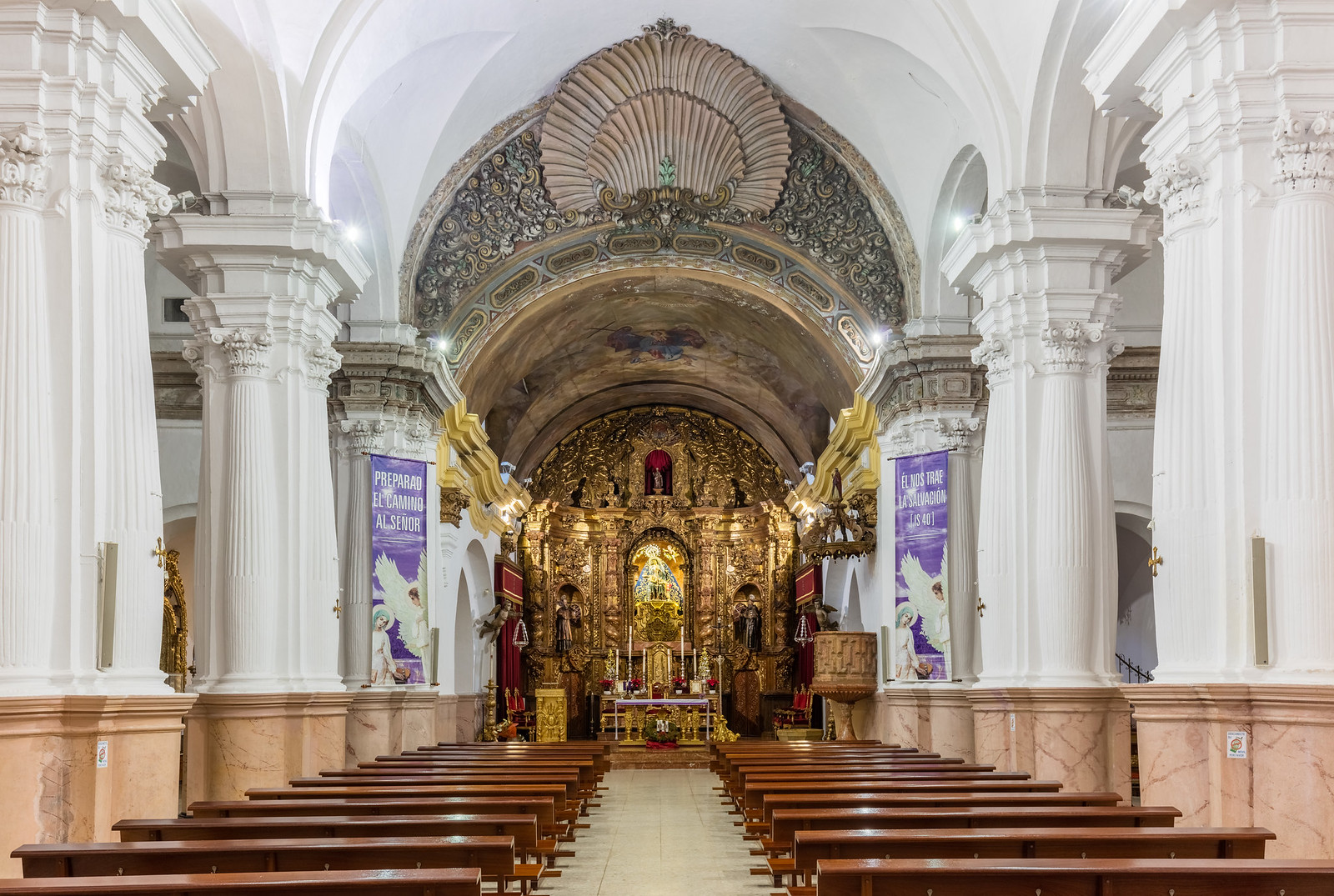
Devotion began in the early fifteenth century after the Portuguese conquest of Ceuta (1415). Local tradition holds that an image of Santa María de África arrived around 1418, linked to Henry the Navigator. The Gothic Pietà is kept in the Sanctuary of Our Lady of Africa. Canonical coronation followed in 1946, papal recognition of patronage in 1949, and the title of Perpetual Mayoress in 1954. The feast appears on Ceuta’s official labour calendar (e.g. 5 August 2026 in the BOE, Spain’s official state gazette).
How it is observed in Spain
Ceuta keeps 5 August as a paid public holiday. A novena and floral offering lead into a pontifical Mass and a solemn procession. The image is traditionally turned toward the Strait while the Salve is sung. Fairground and popular festivities often accompany the religious programme in early August.
Interesting facts
- The statue is a Gothic Pietà—Mary holding the dead Christ—while also associated with Ceuta’s governor’s staff, the aleo.
- Since 1954 Our Lady of Africa has held the civic title of Perpetual Mayoress of Ceuta.
- Each 9 February the city renews a historic Vow of Thanks at the sanctuary, separate from the August feast.
- Ceuta marked the 600th anniversary of the image’s traditional arrival in 2018.
Check the 2026 dates
Holiday status depends on place. See the official calendar pages for the locations covered by this guide.