Eid al-Adha
Eid al-Adha, the Festival of Sacrifice, is an official public holiday in Ceuta and Melilla—published in the BOE, Spain’s official state gazette, under two Spanish spellings—marking one of Islam’s two great feasts.
What it means
The festival commemorates Abraham’s willingness to sacrifice his son and God’s provision of a ram instead. It falls on 10 Dhū al-Ḥijjah, coincides with the Hajj, and centres on prayer, charity, and, where practised, the ritual sharing of sacrificial meat.
Origin and history
Rooted in the Abrahamic narrative shared across Islamic tradition, Eid al-Adha is observed worldwide on a lunar date. In Spain, Ley 26/1992 recognises IDU AL-ADHA among Islamic festivals that may replace general worker holidays by agreement. Ceuta and Melilla go further by placing the day on their official labour calendars; the 2026 BOE lists Melilla’s “Fiesta Sacrificio-Aid al Adha” and Ceuta’s “Fiesta Sacrificio-Eidul Adha” on 27 May.
How it is observed in Spain
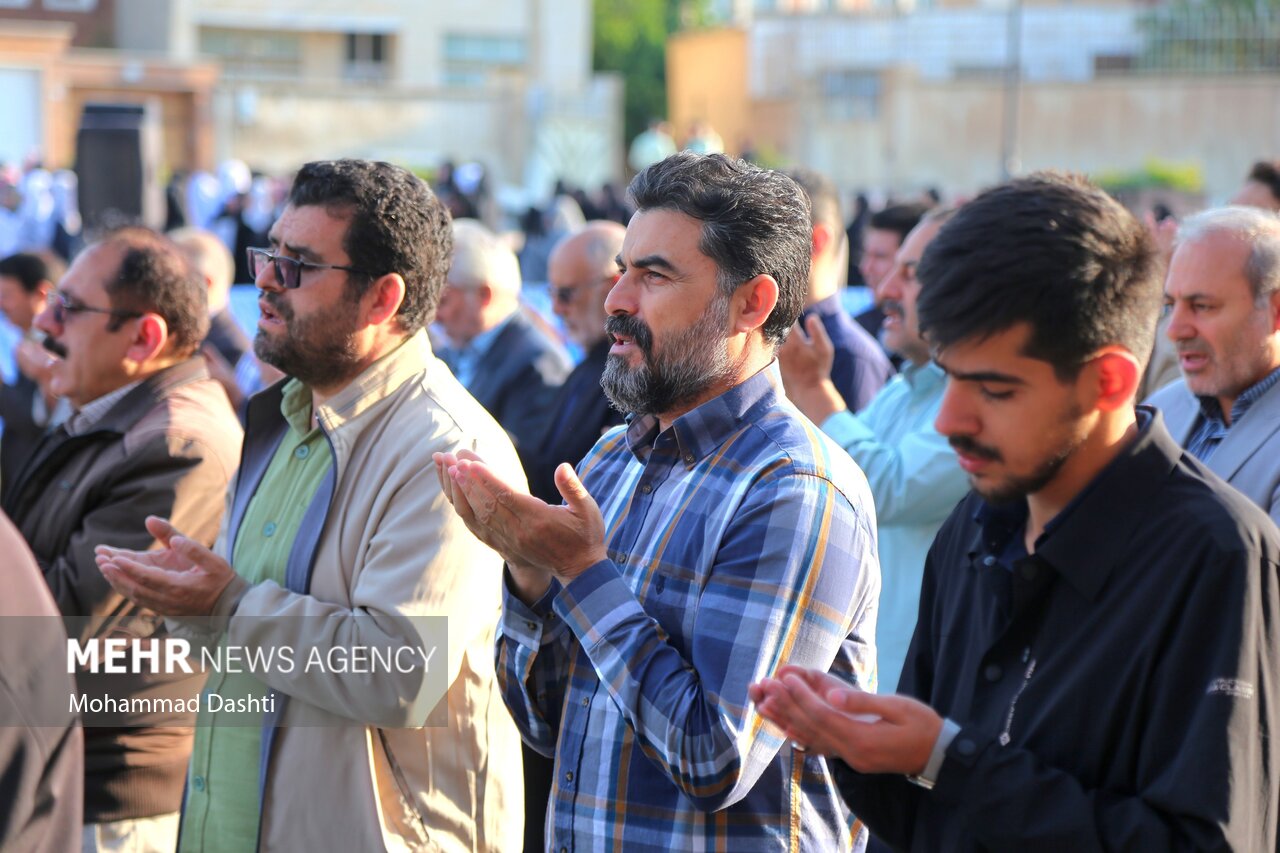
In Ceuta and Melilla the day is a city-wide paid holiday. Communities gather for morning Eid prayer, visit family, and—under municipal health rules—may perform or commission the ritual sacrifice, sharing meat with relatives, neighbours, and people in need. Elsewhere in Spain the feast is widely celebrated privately but is not a general public holiday.
Interesting facts
- The BOE uses different Spanish spellings for the same feast in Melilla (Aid al Adha) and Ceuta (Eidul Adha).
- In Melilla’s 2026 calendar, the Festival of Sacrifice replaces San José (19 March) under the autonomous city’s substitution powers.
- Outside Ceuta and Melilla, Spanish law mainly allows Muslim workers to swap another holiday for Adha by agreement—not a nationwide shutdown.
- Because the Islamic calendar is lunar, the Gregorian date of Eid al-Adha moves about eleven days earlier each year.
Check the 2026 dates
Holiday status depends on place. See the official calendar pages for the locations covered by this guide.